Disclaimer: Westlake Village Hospice Inc. is a licensed and Medicare-certified hospice care provider. We do not sell, prescribe, dispense, or ship prescription medications, and we do not operate an online pharmacy or telemedicine prescribing service. All hospice services are provided in person by licensed healthcare professionals. Any references to Medicare coverage, medication support, or medical coordination relate solely to patient care delivered under physician direction and do not constitute prescription drug sales or online medical services.

Hospice Care Articles & Family Resources

도움말

호스피스 돌봄, 지원 리소스 및 가족을 위한 실용적인 정보에 대한 저희의 포괄적인 가이드를 탐색하세요

Understanding Hospice Care

Navigating end-of-life care is one of the most profound journeys a family can take. Our educational library is designed to empower you with clear, compassionate, and medically accurate information — helping you make confident decisions about hospice care for your loved one.

From understanding the Medicare Hospice Benefit to managing pain without overtreatment, our guides are written by experienced hospice nurses, social workers, and counselors who are on the front lines of compassionate care every day.

Topics We Cover

  • Pain & symptom management in hospice
  • Medicare benefits & what hospice covers
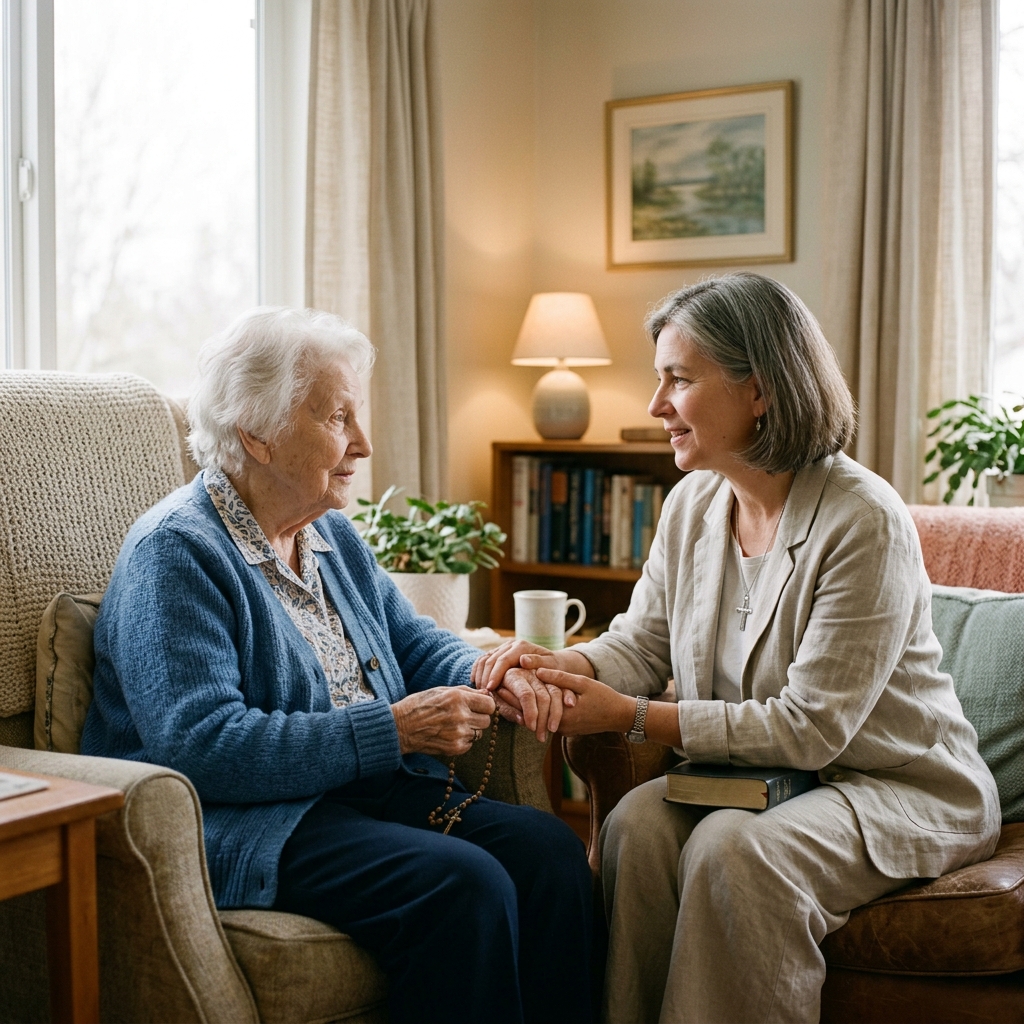
  • Emotional & spiritual support for patients and families
  • How to talk to loved ones about end-of-life care
  • Signs that hospice may be appropriate
  • Caregiver burnout and respite care options
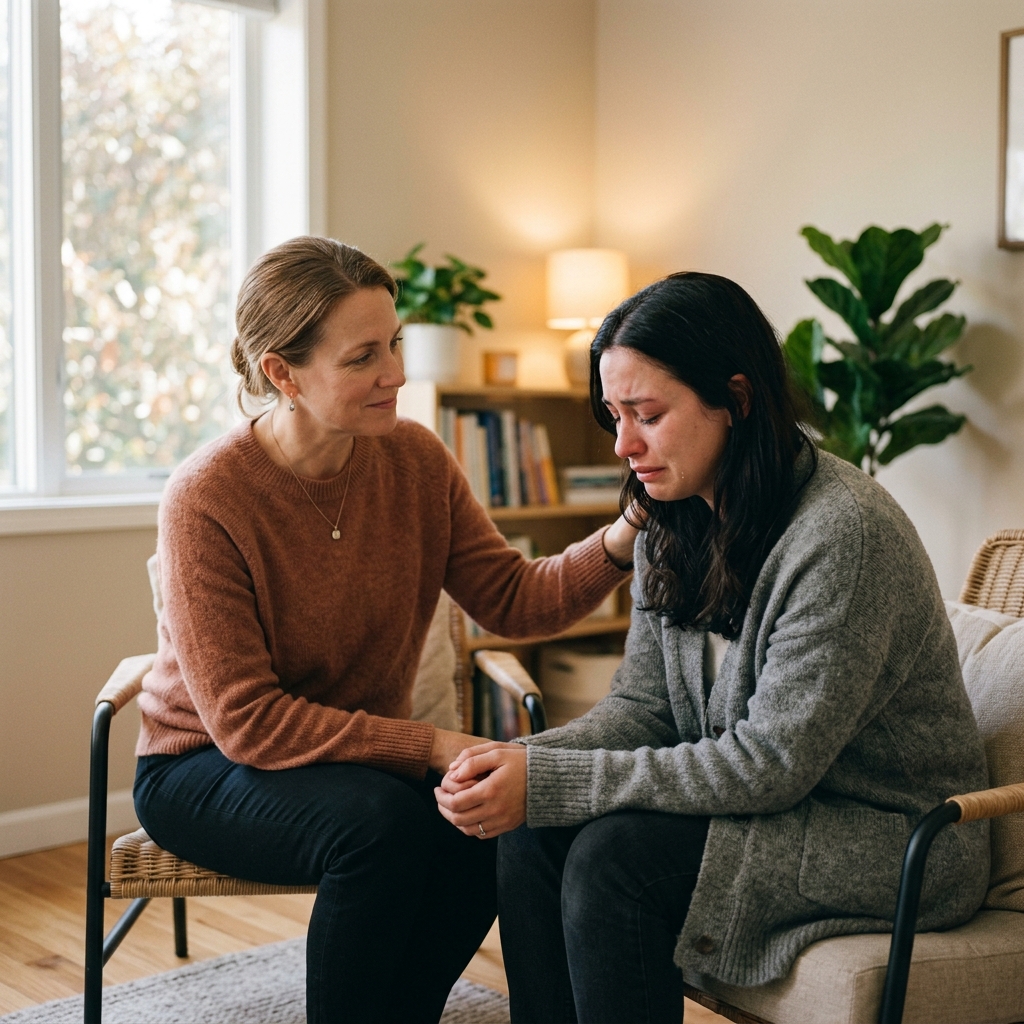
  • Bereavement support after a loss
  • Planning for end-of-life — practical steps

더 많은 정보가 필요하신가요?

저희의 따뜻한 팀이 이 중요한 시기에 귀하의 질문에 답하고 안내를 제공하기 위해 여기 있습니다.

오늘 연락하기

Why Hospice Education Changes Outcomes — Not Just Understanding

The difference between early and late hospice enrollment is not merely philosophical — it is measurable. Families who enroll a loved one in hospice earlier in the disease course consistently report:

  • Better pain management and fewer uncontrolled symptom crises
  • Significantly reduced use of emergency rooms and ICUs in the final weeks of life
  • Lower caregiver burnout scores on validated clinical scales
  • Higher satisfaction with end-of-life care quality
  • Less complicated grief and faster bereavement adjustment in surviving family members

The barrier is not willingness — study after study shows that when families understand what hospice actually provides, they choose it. The barrier is information. Our educational articles are designed to remove that barrier, providing accurate, compassionate, and actionable content on every aspect of end-of-life care.

How Our Article Library Is Organized

Medicare & Insurance

6 articles

  • What Medicare Part A covers in hospice
  • How to switch from curative to hospice benefits
  • Private insurance and Medi-Cal hospice coverage
  • The role of supplemental insurance in hospice

End-of-Life Stages

8 articles

  • Physical changes in the final weeks of life
  • Signs the body is preparing for death
  • What 'active dying' means clinically
  • How to be present with a dying loved one

Caregiver Support

7 articles

  • Recognizing and preventing caregiver burnout
  • Home safety modifications for hospice patients
  • Managing nighttime caregiving demands
  • When to ask for more help

Grief & Bereavement

5 articles

  • Anticipatory grief — grieving before the loss
  • The difference between normal grief and complicated grief
  • Supporting children through a family member's death
  • Finding a grief counselor or support group

Who Writes and Reviews Our Articles

Every article in our library is written by a practicing hospice professional on our clinical team and reviewed for medical accuracy by our Board-Certified Hospice and Palliative Care Physician. You will see a byline and credentials on every article so you understand exactly whose perspective and expertise you are reading.

Clinical Authors
Registered Nurses with 5+ years in hospice
Social Work Authors
Licensed Clinical Social Workers specializing in end-of-life
Medical Review
Board-Certified Hospice & Palliative Medicine MD

Questions Our Readers Most Often Have

Why does hospice care improve quality of life while also sometimes extending it?

Research from the New England Journal of Medicine and other peer-reviewed journals has consistently found that early hospice enrollment is associated with longer survival compared to patients who continue aggressive treatment near the end of life. The most accepted explanation is that hospice removes the physiological burden of aggressive interventions — chemotherapy, hospitalizations, surgical procedures — and focuses resources on optimizing nutrition, comfort, sleep, and mental health. Reduced stress, better pain control, and sustained emotional support have measurable positive effects on the body's remaining functional capacity.

Can family members at a distance stay involved in hospice care?

Yes — and this is an area where our social worker and care team actively help. We provide structured family update calls, coordinate family care conferences via teleconference, and can facilitate FaceTime or phone calls between patients and family members who cannot be present. Our bereavement coordinator also maintains contact with family members who live out of state, knowing that physical distance often intensifies grief and isolation during this time.

How do I talk to my elderly parent about transitioning to hospice?

This is one of the most common questions families bring to our social worker. Key principles: lead with curiosity, not information — ask what your parent hopes for in terms of quality of life, rather than presenting hospice as a decision they have to make. Use phrases like 'I want to make sure you're as comfortable as possible' rather than 'we think you should go to hospice.' Our social worker is available to facilitate these conversations and has specific training in goals of care communication. We can attend the conversation at your loved one's home if that would help.

What happens to my loved one's existing doctors when they enter hospice?

A patient's existing physicians — primary care doctor, oncologist, cardiologist — do not disappear from the picture when hospice begins. The attending physician of record continues to be consulted and involved in care planning. What changes is that the hospice physician (medical director) oversees the clinical direction of care. In practice, this means the hospice RN coordinates closely with the patient's existing specialists and ensures any clinical changes are communicated to all providers.

쿠키 환경설정

We use cookies to enhance your browsing experience, deliver personalized content, and analyze site traffic. Choose your preferences below or accept all to continue.